09/04/2026
Understanding The Electrical Engineering Field
For individuals exploring STEM fields, one common question is always about the ins and outs of electrical engineering. At a basic level, electrical engineering is the study and application of electricity, electronics, and electromagnetism. It focuses on how electrical systems and electronic devices are designed, analyzed, tested, and improved for practical use in modern society.
Because the field is so broad, electrical engineering appears in a wide range of technologies people use every day. It connects to power systems, communication systems, electronic circuits, computer systems, digital systems, and telecommunications systems.
It also shows up in areas such as renewable energy, electric vehicles, fiber optics, integrated circuits, and artificial intelligence.
For those who like math, physics, problem-solving, and technology, this field may be worth exploring. This article explains what electrical engineering includes, how electrical engineers work, and what electrical engineering students may encounter while studying the subject.
Electrical Engineering Definition and Scope Explained
Electrical engineering is often described as a discipline that deals with electricity in both large-scale and small-scale applications. That includes everything from electric power systems and power generation to electronic components used in personal computers and other everyday tools.
The scope of the field is broad because electrical engineers often work across several overlapping specialties. These may include:
- Power systems and electric power
- Control systems and control engineering
- Electronics and electronic circuits
- Signal processing
- Telecommunications and communication systems
- Embedded and computer systems
This variety is one reason electrical engineering continues to matter in various industries. The field supports technologies tied to infrastructure, transportation, healthcare, computing, manufacturing, and communication.
What Electrical Engineers May Work On
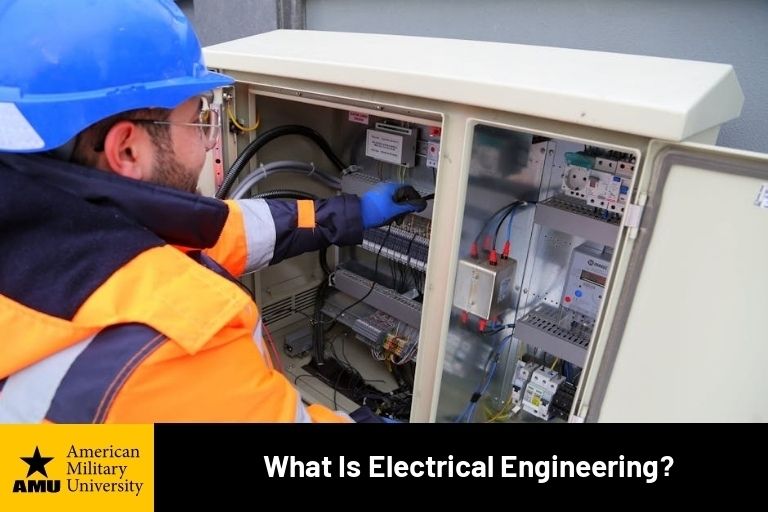
The work of electrical engineers often centers on solving technical problems through design, analysis, and testing. In many settings, electrical engineers work on systems that must be safe, efficient, and reliable. An electrical engineer designs solutions, helps evaluate performance, and may support implementation and troubleshooting over time.
In practical terms, electrical engineers may design, develop, and test equipment and systems such as:
- Electronic devices
- Electric motors
- Electronic circuits
- Power electronics
- Telecommunications systems
- Computer systems
- Laser systems
- Satellite systems
Electrical engineers also use technical tools to model and evaluate complex systems before they are built. That process may include simulations, testing, documentation, and collaboration with other specialists.
Because many engineering projects involve groups rather than individuals, students should also know that engineers often work in team settings. Written communication, documentation, and interpersonal skills may matter just as much as technical knowledge on many projects.
For a closer look at the day-to-day responsibilities, technical tasks, and work environments associated with the profession, explore "What Does An Electrical Engineer Do?".
Electric Power Systems in Electrical Engineering
One major area of electrical engineering is electric power. This branch focuses on how electricity is produced, moved, and used. In other words, it deals with generation, transmission, and distribution, along with the design and operation of the power grid and related infrastructure.
Students exploring this area may come across topics such as:
- Power generation
- Electric power systems
- Power systems planning and analysis
- Transformers, generators, and electric motors
- Grid reliability and safety
- Solar and wind power
- Broader renewable energy systems
This side of electrical engineering is especially relevant as industries continue evaluating how to integrate wind power, solar technologies, and other forms of alternative energy into existing infrastructure.
Electronics and Signal Processing in Electrical Engineering
Another major part of the field involves electronics. An electronics engineer or related specialist may focus more on electronic components, microelectronics, integrated circuits, and the systems that support digital devices. In this area, electronics engineers design tools and hardware that help make computing, sensing, and communication possible.
This overlaps with signal processing, which involves analyzing and manipulating analog or digital signals for uses such as audio, video, radar, and sensor-based systems. Signal processing can support applications in imaging, communications, automation, and defense-related technologies. Students may also encounter topics such as image processing, embedded systems, and data transmission.
Telecommunications is another important specialization. It focuses on the design of communication systems that carry voice, video, and data. That can include wireless networks, fiber optics, and satellite systems.
Control Engineering and Complex Systems
Control engineering looks at how machines and systems behave over time and how that behavior can be guided or adjusted. This field often involves control systems that use feedback to maintain desired performance. Examples can include robotics, automated manufacturing, vehicle systems, and industrial processes.
Students studying control engineering may explore how sensors, actuators, software, and hardware work together inside complex systems. In many cases, the goal is to keep systems stable, efficient, and responsive under changing conditions.
This area also connects to newer applications involving automation and robotics. As technologies become more interconnected, electrical engineers may help create systems that monitor conditions, react in real time, and support more advanced decision-making processes.
Artificial Intelligence and Emerging Technologies
Today, electrical engineering is also connected to cutting-edge technologies such as artificial intelligence, smart devices, and automation. While AI is often associated with software, it can also be integrated into physical systems, sensors, chips, and communication infrastructure. That means electrical engineering plays an important role in building the hardware behind intelligent technologies.
Examples include:
- AI-enabled sensors
- Smart computer systems
- Advanced digital systems
- Autonomous equipment
- Smarter energy management in power systems
- Technologies used in electric vehicles
While not every electrical engineering student will focus on AI, the field continues to evolve and overlap with other technical disciplines, and is something that learners should keep in mind.
What Electrical Engineering Students May Study
Students researching degree programs may see coursework that combines theory with applied learning. Many programs include subjects such as:
- Circuit analysis, including Ohm’s law and Kirchhoff’s law
- Analog and digital circuit design
- Electromagnetic field theory
- Energy conversion and transport
- RF, radar, and signal propagation
- Teamwork, communication, and experimentation
These subjects may help students build a foundation for understanding how engineers design and analyze systems used across various industries.
Typical Career Fields for Electrical Engineering Graduates
Because the discipline is broad, electrical engineering graduates may explore opportunities in different technical environments. These settings may include:
- Aerospace
- Automotive
- Construction
- Manufacturing
- Technology
- Telecommunications
- Energy
- Healthcare technology
Rather than pointing to a single path, it may be more accurate to say that power engineers, electronics specialists, and other engineering professionals often apply similar foundations in different ways depending on the setting, project needs, and their own interests.
Why Electrical Engineering Matters Today
Electrical engineering remains an important field because it supports many of the systems people often rely on every day. From electric power and transportation networks to communication systems, healthcare technology, and digital devices, the discipline plays a central role in how modern life functions.
For students, electrical engineering may be appealing because it combines analytical thinking with practical application. It often involves solving real-world problems, working with evolving technologies, and understanding how systems operate together.
Whether someone is interested in power systems, signal processing, control engineering, or artificial intelligence, the field may have opportunities to explore.
As technology continues to change, the need for reliable, efficient, and innovative electrical systems remains relevant. Exploring the field further can help students better understand how electrical engineering connects to their interests and goals.