09/04/2026
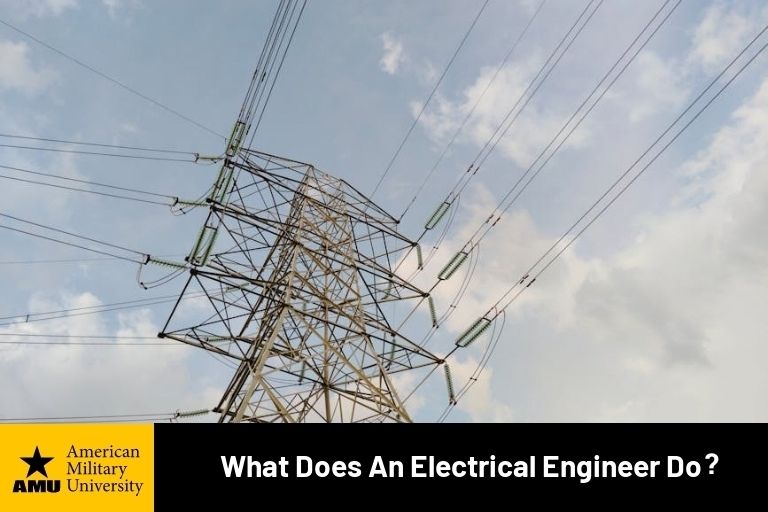
Understanding the Potential Role of an Electrical Engineer
Many of the systems people rely on every day operate because engineers help design and maintain them behind the scenes. Electricity powers homes and businesses, communication networks connect devices across long distances, and modern transportation depends on advanced electronic controls. Professionals in electrical engineering often contribute to making these systems functional, efficient, and reliable.
The field is broad, which means responsibilities can vary based on industry and specialization. Some engineers focus on electrical systems used in infrastructure and electric power, while others work with electronic devices, automation tools, manufacturing equipment, or emerging technologies such as artificial intelligence and electric vehicles.
For those considering a technical degree, understanding how electrical engineers work can be a helpful first step. Explore the common duties, skills that may be valuable in the profession, industries where engineers work, and how a degree in electrical engineering may support different career interests.
Common Responsibilities of Electrical Engineers
Although no two positions are exactly the same, many engineers share similar core responsibilities. Electrical engineers typically focus on creating solutions that are safe, efficient, and practical.
Common tasks may include:
- Designing new electrical equipment
- Improving existing electronic systems
- Testing electrical devices for performance and safety
- Troubleshooting failures in complex electrical systems
- Reviewing technical specifications
- Supporting manufacturing and installation
- Managing timelines on engineering projects
- Working with technicians, contractors, and other engineers
In many roles, electrical engineers design systems first through software models or prototypes before physical production begins. This can help teams identify issues early and refine performance.
Some professionals also move into coordination roles such as project engineer or technical lead, where they help ensure projects stay organized and meet requirements.
Where Electrical Engineers Work Across Industries
One reason many students explore this field is its presence across multiple industries. Electrical engineers may work in settings that range from offices and labs to industrial sites and field locations. Some roles are primarily office-based, while others involve visiting facilities, testing sites, or customer locations. Work locations and day-to-day core responsibilities may vary by industry and project.
Some work in sectors like utilities and power generation, construction and infrastructure, and manufacturing, where they help design, build, and maintain essential systems.
Others may find roles in highly specialized fields such as aerospace, automotive, and telecommunications, contributing to everything from vehicle systems to advanced communication networks. Engineers are also involved in defense and healthcare technology, where precision and reliability are especially critical.
In addition, professionals may work in software and hardware development, as well as renewable energy, supporting innovations in areas like clean power, smart systems, and emerging technologies.
One engineer may work on the electrical grid, while another may focus on satellite systems, medical equipment, or electric vehicles.
How Electrical Engineers Work in Energy and Power
A major branch of electrical engineering involves electrical power and energy systems. In this area, engineers help support how electricity is produced, transmitted, and distributed.
They may work on:
- Power systems planning
- Utility infrastructure
- Power generation equipment
- Transformers and substations
- Reliability of the electrical grid
- Backup systems
- Integration of renewable energy
- Projects involving wind power or solar systems
As infrastructure evolves, engineers may also help modernize systems to manage changing demand and add newer technologies.
Students interested in sustainability, utilities, or infrastructure may find this area especially relevant.
Electrical Engineers and Electronic System Design
Another common path is electronics engineering, which focuses more on smaller-scale systems and components.
This may include work involving:
- Electronic components
- Sensors
- Electronic devices
- Consumer products
- Automation hardware
- Computer chips
- Control boards
- Communication hardware
Professionals in this space may design electrical components used in phones, appliances, industrial tools, and other digital products. They may also help improve efficiency, durability, and performance.
Because electronics change quickly, engineers in this area often stay current with new technologies and evolving product standards.
How Electrical Engineers Work With Computer Systems
Electrical engineering often overlaps with computer engineering, especially as more devices combine hardware with software. Many products used every day rely on both electrical components and computing functions working together.
Examples include:
- Smart appliances
- Security systems
- Robotics
- Personal computers
- Vehicle electronics
- Smart manufacturing equipment
- Connected sensors
- Automated controls
Some engineers also use programming languages to test devices, analyze performance, or support automation. Knowledge of coding may be helpful in areas involving firmware, controls, or embedded systems.
As products become more connected, the relationship between electrical engineering and computer engineering continues to grow. Students interested in both hardware and digital technology may find this area especially appealing.
How Electrical Engineers Contribute to AI and Emerging Tech
Today, electrical engineering is increasingly connected to artificial intelligence, automation, and advanced analytics. Electrical engineers often play a key role in advancing AI by building the systems that make it possible to operate in the real world. Their work supports the development of technologies like smart sensors that collect real-time data, faster processors that handle complex computations, and autonomous systems that can operate with minimal human input.
They may also contribute to intelligent manufacturing tools that improve efficiency on production lines, advanced imaging systems used in areas like healthcare or robotics, and control networks that allow different components of a system to communicate and function seamlessly.
Some teams also apply machine learning to monitor equipment performance or improve energy usage.
While not every engineer works directly in AI, the field often intersects with modern systems that depend on intelligent hardware and data-driven decision-making.
How to Become an Electrical Engineer
For many students, the typical starting point is earning a bachelor's degree in electrical engineering or a related discipline. Coursework often combines theory, math, science, and applied lab learning.
Students may study topics such as:
- Circuit analysis
- Electronics
- Electromagnetics
- Control systems
- Digital logic
- Power systems
- Programming fundamentals
- Engineering design
Some students later pursue an advanced degree or a master's degree to deepen their knowledge in a specialized area.
Certain positions may also involve licensure. In some cases, professionals choose to become a licensed professional engineer, depending on their responsibilities, employer expectations, or industry focus. Licensure requirements may vary from state to state, or even from role to role.
Typical Career Paths in Electrical Engineering
Because the discipline is so broad, there’s no single career path for all graduates. Depending on their interests, experience, and area of specialization, individuals may pursue roles such as electrical engineer, systems engineer, controls engineer, or test engineer. Others may focus more specifically on electronics, field work, or design, while some take on project-based roles that blend technical and organizational responsibilities.
Career paths can evolve over time. Some engineers choose to remain in highly technical positions, continuing to deepen their expertise, while others may transition into leadership, operations, or coordination roles as they gain experience.
Students comparing engineering career paths may also want to understand how electrical engineering differs from other major disciplines. Learn more about the differences in responsibilities, areas of study, and potential career paths in "Electrical Engineering vs. Mechanical Engineering".
Electrical Engineering Degree Programs and Coursework
Students interested in electrical engineering may consider pursuing a bachelor’s degree in electrical engineering to learn core concepts while developing practical technical skills.
Areas of study may include:
- Analog circuit design
- Fundamentals of circuit analysis
- Ohm’s law and Kirchhoff’s law
- Digital and logic circuit analysis
- Energy conversion and transport
- Electromagnetic field theory
- Radar and RF signal propagation
- Hands-on or simulation-based lab experiences, depending on course format
For adult learners, military-connected students, or working professionals, online scheduling flexibility may also be an important factor when comparing programs.
Considering a Future in Electrical Engineering
Electrical engineers typically help create and maintain the technologies that support daily life. Their work may involve electrical power, transportation systems, communication networks, manufacturing equipment, healthcare devices, and connected technologies.
For those who enjoy math, innovation, and solving practical problems, electrical engineering may be a field worth considering. Understanding the types of work electrical engineers do can help you decide whether this path aligns with your interests and long-term goals.