09/08/2026
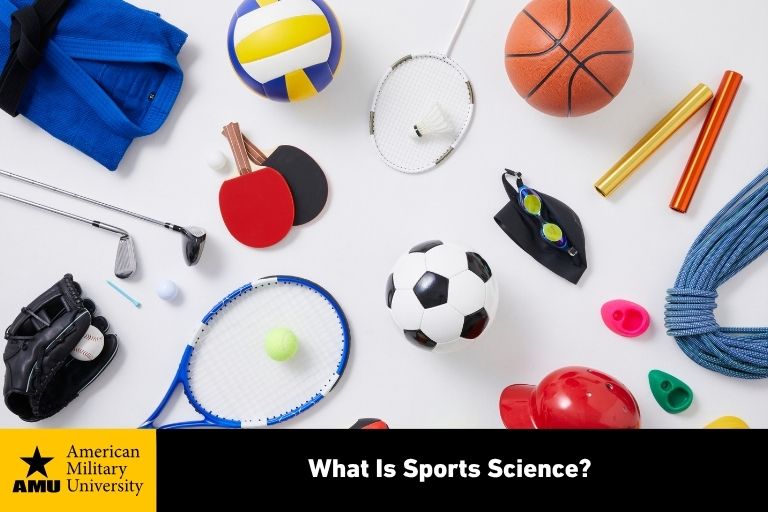
For individuals interested in athletic performance and human health, sports science is often an appealing field of study. Sports science is generally defined as the academic study of how the healthy human body works during exercise, and how sport and physical activity promote health and performance.
While exercise science typically focuses broadly on physical activity and its impact on the general population, sports science is often more specifically applied to maximizing athletic performance and understanding competitive sports dynamics.
Understanding Sport and Exercise Science
Sport and exercise science is an interdisciplinary field that draws heavily from biology, chemistry, and physics. Academic programs in this area typically introduce students to how different scientific disciplines interact to impact human movement.
The main goals of study within this field generally include understanding how to improve athletic performance, identifying ways to prevent sports-related injuries, and exploring recovery methodologies.
Core Disciplines of Sports Science
The field is composed of several key disciplines, including physiology, psychology, biomechanics, and nutrition. Each of these disciplines approaches human performance and research from a different angle, allowing professionals to examine athletic ability comprehensively.
Exercise Physiology
Exercise physiology examines how the body functions and functions are altered by physical activity. Coursework in this area typically explains acute physiological responses to exercise—such as increased heart rate and oxygen consumption during a workout—as well as chronic adaptations to training, like increased muscle mass over time.
Qualified professionals in this space sometimes recommend common lab and field tests, such as VO2 max testing or blood lactate assessments, to monitor these physiological changes.
Sports Psychology
Sports psychology focuses on the mental and emotional factors that influence athletic performance. The role of a sports psychologist often involves helping athletes manage competitive pressure and build mental resilience.
Academic study in this area often outlines techniques to improve focus and motivation, such as visualization or goal-setting exercises. Depending on credentials and applicable regulations, professionals may also suggest assessment methods for mental readiness, utilizing questionnaires to evaluate an athlete's anxiety levels before a competition.
Biomechanics and Movement Analysis
Biomechanics applies the laws of physics to human movement. The primary purpose of a biomechanical assessment is to analyze an athlete's physical technique with the goal of improving efficiency and helping identify factors that may contribute to injury risk.
In practice, professionals frequently list common motion-capture and video analysis tools as standard equipment for reviewing athletic performance. By studying these data points, biomechanics informs technique changes, helping athletes adjust their posture or stride to improve their mechanical output.
Strength, Conditioning, and Exercise Science
Strength and conditioning focuses on the physical development of athletes. Objectives in this area typically revolve around improving muscular strength, power, and endurance. Academic programs often recommend periodization principles, which involve planning training cycles to peak at specific times during a competitive season.
By studying exercise and sports science, professionals learn how to inform training load decisions, balancing physical exertion with necessary rest.
Proper Nutrition and Sports Nutrition
Nutrition plays a significant role in athletic performance and recovery. Academic study in sports nutrition typically examines how specific dietary intake affects energy levels and muscular repair. Curricula often outline macronutrient timing for training sessions, exploring how carbohydrates and proteins are utilized before, during, and after exercise. The role of a sports nutritionist typically involves planning these dietary strategies to support specific athletic goals.
Performance Analytics and Sports Technology
Modern sports science increasingly relies on technology. Students often study the introduction of wearable sensors and data dashboards, which track movement and vital signs in real time. Professionals in the field may suggest specific metrics for monitoring load and readiness success, such as heart rate variability or GPS tracking data.
Educational programs also recommend protocols for data-driven decision making, teaching students how to interpret analytics to adjust an athlete's training regimen.
Injury Rehabilitation and How to Prevent Injuries
One component of sports science involves understanding injury mechanisms. Study in this area typically outlines the stages of injury rehabilitation, from acute care to functional recovery. Academic programs list common prevention strategies to implement, such as targeted strengthening exercises or biomechanical adjustments.
Additionally, professionals often recommend return-to-play testing procedures to ensure an athlete is physically prepared to resume competition safely.
Sports Science in Physical Education and Community Settings
The principles of sports science are frequently adapted for physical education and community health programs. Adapting sport science for schools often involves modifying elite training concepts into accessible physical literacy programs.
Professionals may suggest simple tests for youth fitness assessment, such as shuttle runs or basic mobility checks. Furthermore, educational curricula frequently recommend inclusive practices for diverse populations to ensure physical activity protocols are safe for various age groups and fitness levels.
Applying Sport and Exercise Science in Practice
In practical settings, applying these concepts involves building athlete-centered programs that prioritize the individual's specific physiological needs.
This process frequently relies on multidisciplinary team collaboration, where physiologists, nutritionists, and coaches work together. Academic programs advise on evidence-based intervention selection, ensuring that training and recovery protocols are supported by scientific research.
Measuring Human Performance in Sports Science
Evaluating an athlete requires consistent tracking. Professionals typically define key performance indicators to track, which may vary from sprint times to maximal lifting capacity depending on the sport.
Educational literature often recommends a specific frequency for performance testing to capture accurate data without fatiguing the athlete. Students also study methods to interpret longitudinal data, examining how performance goals and metrics change over the course of an entire season or career.
Typical Career Paths Related to Sports Science
Students studying sports science often explore concepts relevant to various environments within the industry. Academic programs usually examine the physical, physiological, and functional adaptations of the human body.
Examples of roles that individuals with relevant education and experience may pursue include:
- Strength and Conditioning Coach
- Sports Performance Coach
- Wellness Coordinator
- Fitness Instructor
Educational steps associated with this field typically involve earning a bachelor's degree, and some individuals pursue graduate study or specific industry certifications (such as those from the NSCA or NASM).
Alongside academic study, individuals frequently seek practical industry experience by participating in internships at fitness centers or volunteering with community sports programs. Career opportunities vary based on an individual's education, experience, geographic location, employer requirements, certifications, and labor market conditions.
Ethics and Communication in Sports Science
A major component of sports science involves the communication of complex data. Academic study often examines how scientific findings are translated into plain-language concepts so that athletes and coaches can interpret the insights.
Educational programs also emphasize the study of ethical practices for athlete data use, reviewing the frameworks that protect privacy and confidentiality regarding medical and performance metrics. Finally, coursework often explores strategies for stakeholder engagement, reviewing how performance data is presented to organizational management.
Taking the Next Step in Sports Science Education
Individuals interested in exploring this field further may begin by proposing simple self-assessments to understand their own fitness baselines. For specific athletic goals, individuals may wish to consult qualified exercise physiology or sports performance professionals who hold relevant certifications and credentials.
As interest in sports science grows, many individuals choose to learn more about topics such as exercise physiology, biomechanics, sports nutrition, and performance analytics. Exploring educational opportunities in these areas can provide a deeper understanding of how science supports human movement, health, and athletic performance.
Interested in where a sports science education may lead? Explore "What Can You Do With A Sports Science Degree?" to learn more about potential career paths and ways to apply this field of study.