10/20/2026
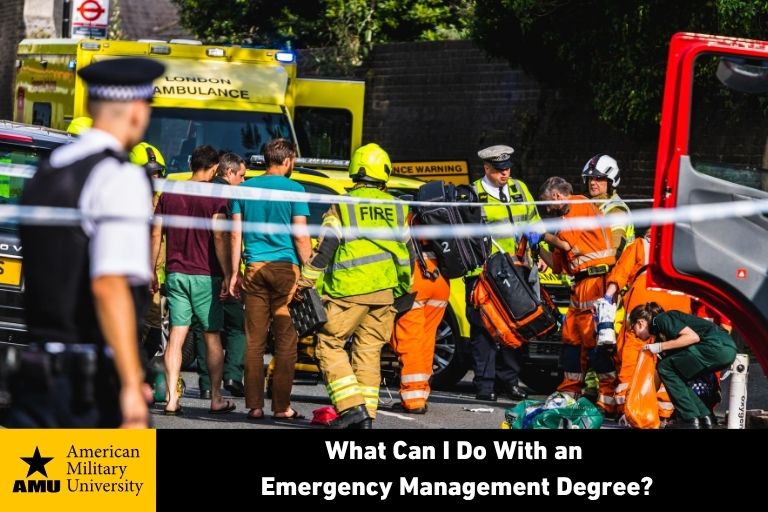
Exploring Emergency Management Careers, Degree Paths, and Skills for Disaster Preparedness
An emergency management degree commonly covers disaster preparedness, emergency response, risk management, recovery planning, and coordination across public and private organizations. For students considering a career in emergency management, the field includes work before, during, and after emergencies, from developing contingency plans to supporting response efforts when natural disasters or other emergencies occur.
The degree can be relevant for people already working in public safety, law enforcement, the military, healthcare, or government, as well as those entering the field for the first time. Depending on the program, students often study emergency planning, critical thinking, leadership, crisis communication, homeland security, and disaster management.
Exploring Potential Career Paths in Emergency and Disaster Management
Emergency management professionals help organizations and communities prepare for, respond to, and recover from crises. Their responsibilities can include assessing risks, coordinating resources, developing emergency plans, conducting training, supporting disaster preparedness, and communicating with key stakeholders.
The field also overlaps with homeland security, public safety, business continuity, healthcare preparedness, and disaster recovery.
Emergency management functions exist across government agencies, private companies, nonprofit organizations, hospitals, emergency services, and other organizations involved in preparedness and response. Education, experience, and other qualifications required for these roles vary by employer.
Degree Options in Emergency Management
Students interested in a degree in emergency management can typically choose from undergraduate, graduate, and certificate programs.
A bachelor's degree commonly introduces the foundations of emergency and disaster management, including preparedness, response, recovery, mitigation, risk assessment, and crisis communication.
American Military University's Bachelor of Arts in Emergency and Disaster Management explores topics including crisis management, emergency preparedness, hazard identification, counterterrorism, and disaster response.
Students with an undergraduate degree or professional experience may also consider an advanced degree. AMU's Master of Arts in Emergency and Disaster Management is a 36-credit online program that examines emergency and disaster theory, planning, interagency coordination, hazard mitigation, crisis action planning, cybersecurity, and research methods.
Potential Careers With an Emergency Management Degree
Career options vary depending on education, experience, certifications, and the employer.
Emergency Management Specialist
An emergency management specialist commonly helps develop and maintain plans for emergencies, disasters, and other security threats.
Typical responsibilities may include:
- Risk assessment: Identifying hazards and vulnerabilities.
- Emergency planning: Developing response and evacuation procedures.
- Coordination: Working with emergency responders and government agencies.
- Training: Helping personnel understand emergency procedures.
- Communication: Sharing information with key stakeholders during a crisis.
Emergency management specialists work across the public sector, private sector, healthcare, education, and nonprofit environments.
Emergency Management Director
Emergency management directors usually coordinate preparedness and response activities at a broader organizational or community level.
Their work might involve developing plans, organizing emergency response resources, coordinating with local or federal government agencies, providing training, and supporting response efforts during a major incident.
Director positions commonly require relevant work experience in addition to education. Requirements vary widely between organizations, so students interested in these roles should review individual job postings carefully.
Disaster Management and Recovery Roles
Coursework in disaster management may relate to topics encountered in positions focused on recovery and resilience. Education and experience requirements vary by position and employer.
Professionals working in disaster recovery may help communities or organizations restore services following natural disasters, infrastructure failures, or human-made disasters.
Responsibilities could include coordinating recovery resources, assessing property damage, working with local communities, supporting temporary operations, and developing strategies intended to reduce future risk.
Business Continuity and Corporate Emergency Management
Emergency management concepts may also be applicable in private-sector settings, including business continuity and organizational preparedness.
Business continuity managers focus on helping organizations maintain or restore essential operations during disruptions. Their work often involves contingency plans, risk analysis, emergency communications, and coordination with internal teams.
Someone working in corporate emergency management might also contribute to fire safety, security planning, crisis management, or supply chain resilience.
Students interested in these areas could also explore coursework in business, cybersecurity, information systems, or risk management alongside emergency management.
Public Safety, Law Enforcement, and Homeland Security Roles
Emergency management frequently overlaps with public safety and law enforcement.
Professionals in these areas may coordinate emergency services, support disaster preparedness, work with first responders, or contribute to critical infrastructure protection.
Military and law enforcement experience can also provide relevant exposure to planning, logistics, command structures, and crisis response. However, individual employers set their own education and experience requirements.
Students interested in these intersections can explore AMU's broader Emergency and Disaster Management area of study, which includes emergency management, homeland security, and related programs.
Consulting, Risk Analysis, and Intelligence
Some concepts studied in emergency management, such as preparedness, risk assessment, and crisis planning, may also be relevant in certain consulting, intelligence, and risk-analysis settings. Qualifications for these roles vary by employer.
Consultants may work with organizations on disaster preparedness, business continuity, risk assessment, or recovery planning. Security and intelligence roles can involve identifying potential threats, assessing vulnerabilities, or supporting crisis planning.
Students interested in these fields may wish to develop data analysis, research, communication, and critical-thinking skills in addition to studying emergency management.
Skills Usually Relevant to Emergency Management
An emergency management program commonly emphasizes a combination of technical knowledge and interpersonal skills.
Students often study or practice:
- Risk assessment
- Emergency preparedness
- Crisis communication
- Disaster response
- Recovery planning
- Resource coordination
- Critical thinking
- Problem-solving
- Leadership
- Decision-making
Employers may also consider relevant practical or professional experience when evaluating candidates, depending on the position. Internships, exercises, simulations, volunteer work, or relevant professional experience may involve emergency planning and response activities outside the classroom.
Some positions could also require or prefer specific certifications, depending on the employer and role.
Examples of Work Settings in Emergency Management
Emergency management specialists can work across a broad range of environments.
Typical employers may include:
- Local, state, and federal government agencies
- Emergency services
- Hospitals and healthcare systems
- Private companies
- Nonprofit organizations
- Public safety agencies
- Utilities and infrastructure organizations
- Educational institutions
The responsibilities can look very different from one setting to another. A hospital preparedness coordinator, for example, may focus on healthcare emergencies, while a local government specialist might concentrate on community-wide disaster preparedness and response.
Considering an Advanced Degree
A master's degree may appeal to students interested in more advanced study of emergency planning, interagency coordination, mitigation, research, or leadership concepts.
AMU's online master's program includes courses such as Emergency and Disaster Planning and Management, Interagency Disaster Management, Hazard Mitigation and Resilient Communities, and Crisis Action Planning.
Graduate study does not guarantee a particular job title or level of responsibility, but it can provide an opportunity to examine the field in greater depth.
Deciding Whether Emergency Management Fits Your Goals
So, what can I do with an emergency management degree? The answer depends on your interests, previous experience, and the type of organization where you want to work.
Potential paths to explore include emergency management specialist roles, disaster recovery, business continuity, public safety, homeland security, healthcare preparedness, risk analysis, or emergency planning.
Students considering the field can compare AMU's degree and certificate options, review individual course requirements, and look at job descriptions in areas that interest them.
Still deciding whether emergency management aligns with your interests and professional goals? Explore "Is Emergency Management A Good Career?" to learn more about factors to consider when evaluating this career field.
Frequently Asked Questions
Is an Emergency Management Degree Worth Considering?
An emergency management degree could be appropriate for students interested in disaster preparedness, emergency response, risk management, public safety, or recovery planning. Whether it is the right fit depends on your interests, existing experience, and career goals.
Are Emergency Managers in Demand?
Emergency management roles exist across government, healthcare, private companies, nonprofit organizations, and other sectors. Demand varies by occupation, employer, and location, so students should review current labor-market information and specific job postings.
What Are Some Potential Career Paths in Emergency Management?
Potential career paths may include emergency management specialist, emergency planner, disaster recovery coordinator, business continuity professional, public information officer, risk analyst, or emergency preparedness coordinator.
Do You Need a Bachelor's Degree for Emergency Management?
Many emergency management positions list a bachelor's degree among their preferred or required qualifications, although requirements vary. Relevant professional experience, certifications, military service, law enforcement experience, or emergency services experience may also be considered by some employers.