09/03/2026
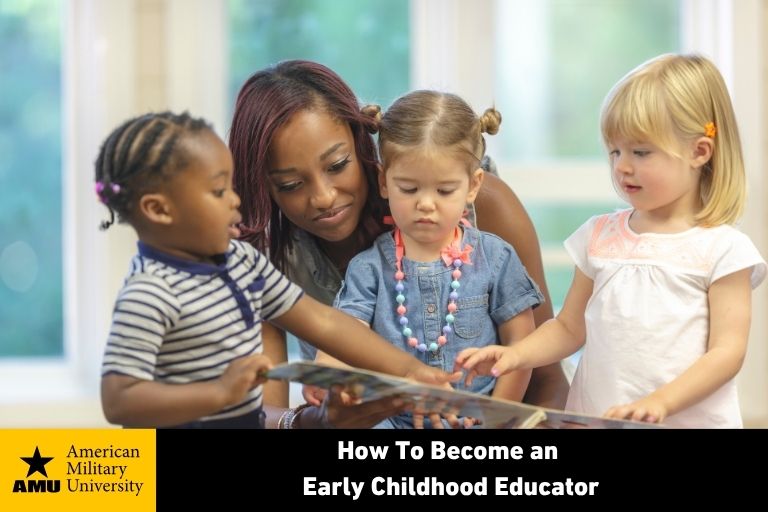
Individuals interested in the education field often explore concepts related to early childhood learning. Academic programs and credentials in this area typically examine the theories, safety protocols, and instructional practices utilized in environments with young children.
Understanding the common educational pathways, credentials, and classroom experiences associated with the profession can help prospective students evaluate whether this field aligns with their interests.
What Is an Early Childhood Educator?
Early childhood education generally refers to the formal and informal instruction of young children, focusing on foundational learning and development. The typical age range for early childhood learners spans from birth through age eight. Individuals exploring this field often begin by reviewing the various settings, credentials, and educational options associated with early childhood environments.
Steps to Become an Early Childhood Educator
While there is no single guaranteed pathway into the field, individuals exploring early childhood education frequently navigate several common academic and professional milestones.
Step 1: Research State Requirements
Reviewing state-specific education requirements often helps individuals understand local regulations and credentialing frameworks. Because state licensing boards establish their own standards, educational requirements, certification expectations, and background check procedures can vary significantly by location.
Step 2: Choose an Educational Pathway
Education requirements vary by state and are heavily dependent on the specific setting, such as a public school or private childcare center. Common credential types can range from a professional certificate to a four-year academic degree.
Associate Degree Path
Many associate degree programs in early childhood education explore topics such as infant and toddler development, pre-kindergarten education, learning environments, and age-appropriate teaching practices.
An associate's degree in early childhood care and education may also introduce students to foundational concepts related to child development and classroom instruction. Depending on the institution, students may have opportunities to apply eligible prior learning or professional experience toward degree requirements.
Individuals holding an associate degree may pursue roles such as lead teacher in certain private centers or paraprofessional in a public school setting, depending on state regulations and employer requirements.
Bachelor's Degree and Degree in Early Childhood
A bachelor's degree generally examines the field in greater depth. Coursework may explore curriculum design, educational leadership theories, inclusion practices, and instructional methods across diverse learning environments.
Public pre-K programs and public elementary schools often utilize professionals who have completed bachelor's-level education, although specific requirements vary by jurisdiction.
Step 3: Complete Student Teaching or Field Experience
Many academic degree programs include a clinical or practicum component that provides supervised classroom experience. Students often complete observation hours, guided instruction, and practical teaching experiences within educational settings.
In addition, some academic programs expose students to multiple age groups, including toddlers and preschoolers, to provide a broader understanding of child development across different stages.
Step 4: Explore Certification and Credential Options
In addition to academic degrees, professionals in this field often explore specific credentials.
State Teacher Certification
State teacher certification requirements are established by individual jurisdictions. Licensing boards often evaluate candidates through examinations, academic transcripts, field experience documentation, and background check requirements.
Child Development Associate (CDA)
The Child Development Associate (CDA) credential, administered by the Council for Professional Recognition, evaluates practical competency in early childhood settings. The process generally includes formal training, an examination, and an observational verification visit.
Step 5: Gain Classroom Experience
Many individuals gain experience by working in support positions before pursuing additional responsibilities.
A teacher's aide, sometimes called an assistant teacher, typically works under the supervision of a lead educator. Responsibilities often include preparing instructional materials, supervising activities, and assisting with daily classroom routines.
Classroom experience can help individuals develop practical skills while exploring long-term professional goals within early childhood education.
Step 6: Explore Early Childhood Education Opportunities
Early childhood educators operate in a variety of environments beyond traditional public schools, and some also work in after school care or summer programs. Common environments where early childhood educators work include:
- Center-based settings: These often encompass private preschools, private schools, and community childcare centers.
- Family child care home settings: These environments involve educators operating within their own state-licensed residences to provide care.
- Home visitor roles: These positions typically involve professionals traveling directly to family homes to provide early intervention and developmental support, subject to program requirements.
- Military school-age program roles: These settings provide childcare and educational services specifically designed for families on military installations.
Skills Early Childhood Educators Use
Early childhood programs help students develop specific capabilities. Core teaching competencies often include:
- Understanding child development
- Creating inclusive learning environments
- Applying classroom management strategies
- Monitoring student progress
- Communicating with families and administrators
Educators also frequently learn how to evaluate student development through observation, assessments, and portfolio-based documentation.
Educational Advancement and Leadership Pathways
Advanced education introduces concepts frequently utilized in leadership positions.
While introductory credentials focus primarily on classroom instruction and care, bachelor's-level study often explores educational administration and policy. Some leadership pathways may also require a master's degree.
Graduate-level programs frequently examine organizational leadership, curriculum development, and research methodologies that may support work in education administration, program management, or policy-related roles.
Exploring Opportunities in Early Childhood Education
Individuals interested in working with young learners can begin by researching state requirements and exploring academic programs that align with their professional interests. Reviewing available educational pathways, credentials, and classroom experiences can help prospective students better understand the qualifications commonly associated with early childhood education and identify the next steps that best fit their goals.