02/12/2026
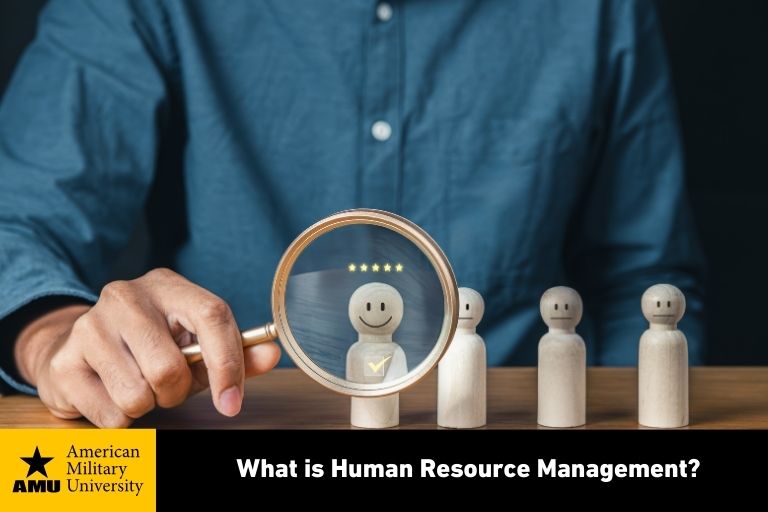
Human resource management (HRM) focuses on attracting, developing, and retaining employees to support the overall goals of an organization. It involves essential responsibilities such as recruiting, onboarding, training, performance management, and employee engagement.
This field plays a vital role in aligning workforce strategies with business objectives. Human resource professionals typically aim to foster an efficient and supportive work environment that can help employees thrive. Their responsibilities often include managing talent pipelines, resolving workplace conflicts, and ensuring adherence to employment laws and organizational policies.
Human resource management continues to evolve, expanding its focus from administrative functions to more strategic efforts. Today, HR professionals contribute to broader initiatives such as organizational development, leadership coaching, and fostering a diverse and inclusive workplace.
Why Human Resources Matter
People are central to any organization’s ability to meet its goals. Human resources teams coordinate activities that support both employee satisfaction and operational needs. Their work typically includes recruiting qualified candidates, managing employee benefits, overseeing performance evaluations, and facilitating training initiatives.
HR professionals ensure compliance with employment laws, internal policies, and safety standards. By maintaining these responsibilities, HR supports organizational consistency and a respectful work environment.
Key Functions of Human Resource Management
Human resource professionals support many aspects of employee and organizational needs. Some of the key functions include:
- Hiring and Onboarding
- Recruiting and selecting job candidates
- Helping new employees adjust during orientation and training
- Employee Development
- Organizing coaching and mentorship programs
- Managing performance reviews and goal-setting
- Workplace Support
- Handling employee relations and addressing concerns
- Supporting conflict resolution when needed
- Compliance and Policy Oversight
- Staying updated on employment laws and workplace regulations
- Ensuring internal policies align with legal standards
- Strategic Planning
- Assisting with workforce planning and talent management
- Supporting succession planning and long-term HR strategies
Each of these functions plays a part in maintaining a consistent and supportive work environment.
Typical Careers in Human Resource Management
Careers in human resource management span a wide range of responsibilities and industries. Some HR professionals focus on daily tasks such as hiring and administering benefits. Others specialize in long-term strategy, such as workforce planning or leadership development.
Common HR roles may include:
- HR generalist
- Talent acquisition specialist
- Training and development coordinator
- Labor relations representative
- Benefits administrator
These roles span diverse sectors, including corporate offices, nonprofits, public agencies, and educational institutions. Some roles involve working closely with small teams, while others are part of large, structured HR departments.
Professional development may offer helpful perspectives for those considering long-term career planning. Earning industry certifications—such as those from the Society for Human Resource Management (SHRM) or the HR Certification Institute (HRCI)—may help HR professionals stay current with industry practices and demonstrate subject matter knowledge.
Since HR supports many aspects of organizational life, individuals in this field may have opportunities to shift between functions over time, depending on their interests, qualifications, and organizational needs.
Technology in Human Resource Management
Technology plays a key role in modern human resource management. Human resource management systems (HRMS) are software tools designed to organize and automate HR tasks.
These systems may help manage:
- Recruitment and applicant tracking
- Payroll and benefits administration
- Employee performance tracking
- Time-off requests and attendance records
HR professionals often use HRMS tools to centralize employee records and reduce manual processes. Some systems also include analytics features, allowing teams to identify trends and support workforce planning.
Cloud-based platforms are especially common. These solutions can offer flexibility, remote access, and the ability to scale as an organization grows.
Supporting Employee Development and Growth
Supporting employee growth is a key part of human resources. Development programs can improve workplace skills, support long-term goals, and encourage continued learning.
Examples of development efforts include:
- Training sessions on communication or leadership
- Mentorship or coaching programs
- Project-based learning opportunities
- Wellness resources, including employee assistance programs (EAPs)
When HR teams offer structured opportunities for development, it can support job satisfaction and help organizations maintain a skilled workforce.
Fostering Employee Relations and Communication
Strong communication and respectful relationships in the workplace are essential to organizational health. HR professionals often serve as the bridge between leadership and employees, helping to ensure that voices are heard and concerns are addressed.
Their responsibilities can include facilitating feedback sessions, guiding team discussions, and resolving workplace conflicts. When issues arise, HR may assist in creating fair processes for communication and conflict resolution. These efforts can support a more cohesive and transparent work environment.
In addition to communication, employee relations includes a focus on consistent treatment, understanding workplace policies, and supporting fair interactions between employees and leadership.
The Recruitment and Hiring Process
Attracting and hiring qualified candidates is a key responsibility for HR teams. The hiring process often begins with identifying workforce needs and creating job postings that reflect the role’s expectations and requirements.
Recruitment strategies can vary. HR professionals may use job boards, social media platforms, networking events, or employee referrals to reach potential applicants. Once applications are received, the selection process typically includes reviewing résumés, conducting interviews, and checking references.
Throughout this process, HR teams often aim to ensure fairness and consistency. Many organizations integrate diversity and inclusion efforts to promote equitable hiring.
Clear communication, well-structured interviews, and thoughtful onboarding can make a difference in how new employees adjust and engage with the workplace.
Managing and Evaluating Employee Performance
Performance management is about supporting employees in their roles and helping them grow over time. HR professionals work with managers to set expectations, provide feedback, and encourage continuous improvement.
This can involve regular check-ins, formal evaluations, or tools such as performance management software. These systems may help track goals, document progress, and guide professional development conversations.
Evaluations often consider an employee’s skills, behavior, and alignment with organizational values. Feedback is usually designed to be constructive, offering support and identifying areas for growth.
By promoting consistent communication and setting clear goals, HR teams often support the development of a workplace culture where expectations and contributions are clearly communicated.
Managing Compensation and Benefits
Managing compensation and benefits is another important aspect of human resource management. HR teams may work with leadership to develop pay structures, offer benefits packages, and coordinate employee recognition programs.
These responsibilities can involve:
- Reviewing market data to understand industry standards
- Developing internal guidelines for pay and benefits
- Supporting employees with questions about health insurance, time off, or retirement plans
- Coordinating reward programs, such as service milestones or peer recognition
By maintaining clear policies and consistent administration, HR may help ensure that compensation and benefits align with organizational practices and employee needs.
Continuing Professional Development in HR
Professional development in human resources often includes ongoing learning focused on areas such as legal compliance, employee training, and conflict management. Staying informed about employment regulations and workplace trends can help HR professionals maintain effective employee management practices.
There are many ways to engage in professional development. Some HR professionals attend conferences, workshops, or webinars. Others participate in discussion groups or online learning communities to share knowledge and explore emerging challenges in the field.
Certifications, such as the SHRM-CP® or HRCI-PHR®, are available through national HR organizations. These credentials are one way to demonstrate familiarity with current HR practices and concepts.
In some organizations, HR departments may also support internal training or mentorship programs that focus on skills like communication, policy development, or team leadership.
What’s Ahead for Human Resource Management
The HR field continues to evolve, shaped by technology, changing workforce expectations, and new approaches to employee engagement. Digital tools like artificial intelligence, automation, and data analytics are becoming more common in areas such as recruitment, performance tracking, and employee feedback.
In addition to adopting new technology, HR professionals are increasingly focusing on employee experience—how people feel about their work, their teams, and their opportunities for growth. Topics such as mental wellness, flexibility, and inclusive leadership are likely to remain priorities.
Remote work, the gig economy, and global collaboration are also shifting how HR departments operate. As organizations adjust, HR strategies may continue to emphasize adaptability, equity, and continuous learning.