09/03/2026
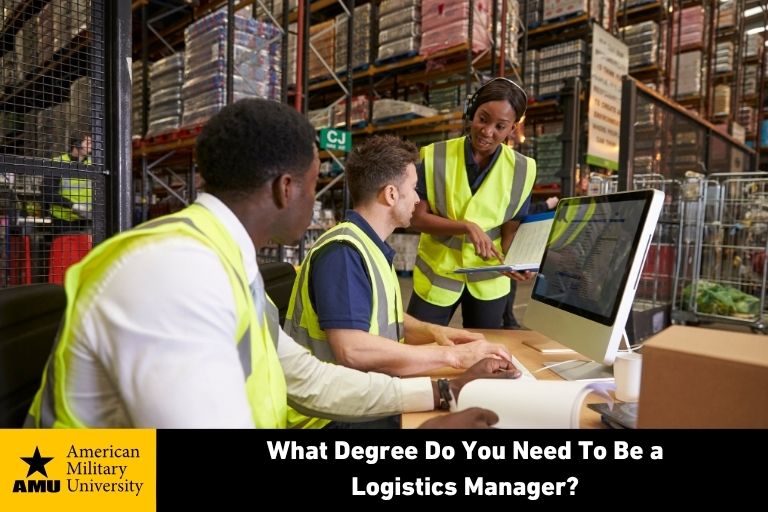
A Student's to Degrees, Certifications, and Typical Career Paths in Logistics
Every product you purchase has likely traveled through a complex network of manufacturers, warehouses, transportation providers, and distribution centers before reaching its final destination. Keeping that process running efficiently requires professionals who understand logistics and supply chain management. If you're considering a career in this field, you may be wondering: "What degree do you need to be a logistics manager?"
The answer depends on the employer, industry, and level of responsibility, but many logistics manager positions typically prefer candidates with a bachelor's degree and relevant work experience. Along the way, internships, technical skills, and professional certifications may also strengthen your qualifications. Explore common degree programs, typical entry-level roles, certifications, and the educational paths that may help you become a logistics manager.
What Does a Logistics Manager Do?
A logistics manager typically oversees the movement of goods throughout an organization's supply chain. Their responsibilities might include coordinating transportation, inventory control, warehousing, purchasing, and distribution to help products move efficiently from suppliers to customers.
Because logistics management touches many parts of an organization, logistics managers frequently work with warehouse teams, transportation providers, purchasing departments, and customer service professionals. They may also analyze data, monitor shipping performance, identify process improvements, and help solve problems related to delays or damaged shipments.
Successful logistics professionals typically combine analytical thinking with strong communication and organizational skills. As supply chain operations become increasingly data-driven, many employers also value experience with transportation management systems, warehouse management software, and inventory tracking technology.
Education Requirements for Logistics Managers
Several degree programs may help students build knowledge that applies to logistics management.
Associate Degree
An associate degree may provide a foundation in business principles, inventory control, transportation, and customer service. Some students begin with an associate degree before transferring credits into a bachelor's degree program.
For individuals already working in logistics, an associate degree may also provide opportunities to strengthen technical knowledge while continuing to gain practical experience.
Bachelor's Degree
A bachelor's degree remains one of the most common educational backgrounds for logistics managers. Students typically choose majors such as Supply Chain Management, Logistics and Supply Chain Management, Business Administration, or Operations Management.
Other relevant degree programs might include Industrial Engineering, Data Analytics, and Economics. These fields emphasize systems thinking, process improvement, forecasting, and quantitative decision-making, all of which may be valuable in logistics operations.
Master's Degree
Students interested in leadership responsibilities may eventually consider graduate education.
An MBA with an operations or supply chain concentration may provide additional business knowledge, while a master's degree in Logistics or Supply Chain Management typically explores advanced topics such as supply chain strategy, global sourcing, analytics, and organizational leadership.
Graduate education is not required for every logistics manager position, but some professionals choose to pursue it based on their career goals and interests.
What You'll Learn in Logistics Degree Programs
Most logistics degree programs typically combine business fundamentals with specialized logistics and supply chain coursework.
Students may study inventory control, transportation management, procurement, operations management, warehouse operations, distribution centers, purchasing, forecasting, project management, and business analytics. Coursework typically introduces students to supply chain software and enterprise resource planning systems that support modern logistics operations.
Many logistics and supply chain programs also may emphasize data analysis. Students might learn how to evaluate shipping performance, improve warehouse efficiency, reduce operational delays, and support better decision-making through data.
Some programs include internships or experiential learning opportunities. These experiences may allow students to observe logistics operations firsthand while developing professional communication and problem-solving skills.
How to Become a Logistics Manager
There is no single path to become a logistics manager, but many professionals follow a similar progression.
The first step is typically earning a relevant bachelor's degree in supply chain management, logistics, business, or another related discipline. During college, internships may provide practical exposure to logistics operations and help students understand how classroom concepts apply in professional settings.
After graduation, many professionals typically begin in entry-level positions where they develop experience in inventory control, transportation coordination, purchasing, or warehouse operations. These roles may help individuals build technical skills while learning how different parts of the supply chain work together.
As experience grows, some professionals pursue certifications or graduate education to continue expanding their knowledge.
Want a closer look at the steps involved in pursuing this career? Explore "How To Become A Logistics Manager" to learn more about education, experience, skills, and other considerations that may help prepare you for logistics management.
Typical Entry-Level Positions
Many logistics managers typically begin their careers in entry-level positions that emphasize coordination, organization, and operational support.
Common roles might include logistics coordinator, supply chain specialist, inventory clerk, shipping coordinator, operations coordinator, and purchasing assistant. These positions may involve tracking shipments, maintaining inventory records, scheduling transportation, and supporting warehouse operations.
Working in entry-level positions typically allows professionals to become familiar with logistics software, inventory control systems, transportation documentation, and customer communication. These experiences may provide valuable insight into the day-to-day challenges of logistics management.
Students interested in logistics may also benefit from learning spreadsheet analysis, data visualization tools, and enterprise software commonly used throughout the supply chain.
Professional Certifications for Logistics Managers
Professional certifications are optional, but many supply chain professionals choose to earn them after gaining practical experience.
A widely-recognized credential is the Certified Supply Chain Professional (CSCP) certification. The CSCP focuses on end-to-end supply chain management, planning, sourcing, production, logistics, and supply chain strategy. Preparing for the certification typically requires a significant commitment to study, with many candidates spending several months reviewing course materials.
Another widely recognized certification is the Certified in Logistics, Transportation and Distribution (CLTD) credential. This certification typically emphasizes transportation management, warehousing, distribution centers, inventory management, and logistics operations.
Students interested in purchasing and procurement may also explore the Certified Professional in Supply Management (CPSM) certification. Each certification typically focuses on different aspects of logistics and supply chain management, making it helpful to choose one that aligns with your professional interests.
Before pursuing any certification, review the issuing organization's eligibility requirements, continuing education expectations, and renewal policies.
Typical Career Paths in Logistics
Many logistics professionals typically begin their careers by supporting daily operations before taking on additional responsibilities over time.
Some professionals start as logistics coordinators, inventory specialists, or supply chain specialists before moving into supervisory positions. Others may gain experience in purchasing, transportation management, warehouse operations, or business analytics before pursuing logistics manager roles.
Because logistics connects many business functions, professionals sometimes broaden their experience through lateral moves across departments. Exposure to procurement, distribution centers, inventory control, customer service, and operations management may contribute to a broader understanding of supply chain operations.
Career progression varies based on education, experience, industry, and organizational needs, so there is no single timeline for becoming a logistics manager.
Job Outlook for Logistics Managers
As organizations continue managing increasingly complex supply chains, logistics remains an important business function across manufacturing, healthcare, retail, government, transportation, and e-commerce.
While employment trends may change over time, continuing education, technical skills, and practical experience can help students remain competitive in an evolving logistics environment.
How to Choose the Right Logistics Degree Program
When comparing degree programs, consider more than just the program title.
Review the curriculum to see whether it includes transportation management, inventory control, operations management, logistics software, business analytics, and supply chain strategy. Programs that include internships, applied projects, or experiential learning may also help students connect academic concepts with real-world logistics operations.
Students balancing work and family responsibilities may appreciate online degree programs that offer flexible scheduling. If you already have college coursework, transfer credit policies may also be worth exploring.
Selecting a program that aligns with your interests, learning style, and long-term educational goals may help you build a strong foundation in logistics and supply chain management.
Take the First Step Toward a Career in Logistics
A bachelor's degree in a field such as supply chain management, logistics, business administration, or operations management provides a common educational foundation for aspiring logistics managers.
Combined with internships, entry-level experience, and professional certifications, this education can help students build practical knowledge of logistics operations, inventory control, and transportation management.
As you explore degree programs, consider your learning preferences, career interests, and the topics you'd like to study. By understanding how logistics and supply chain systems work together, you can make a thoughtful decision about the educational path that best aligns with your personal and professional goals.